New Build, New Risks
Should You Get a Home Inspection on a Newly Built House?
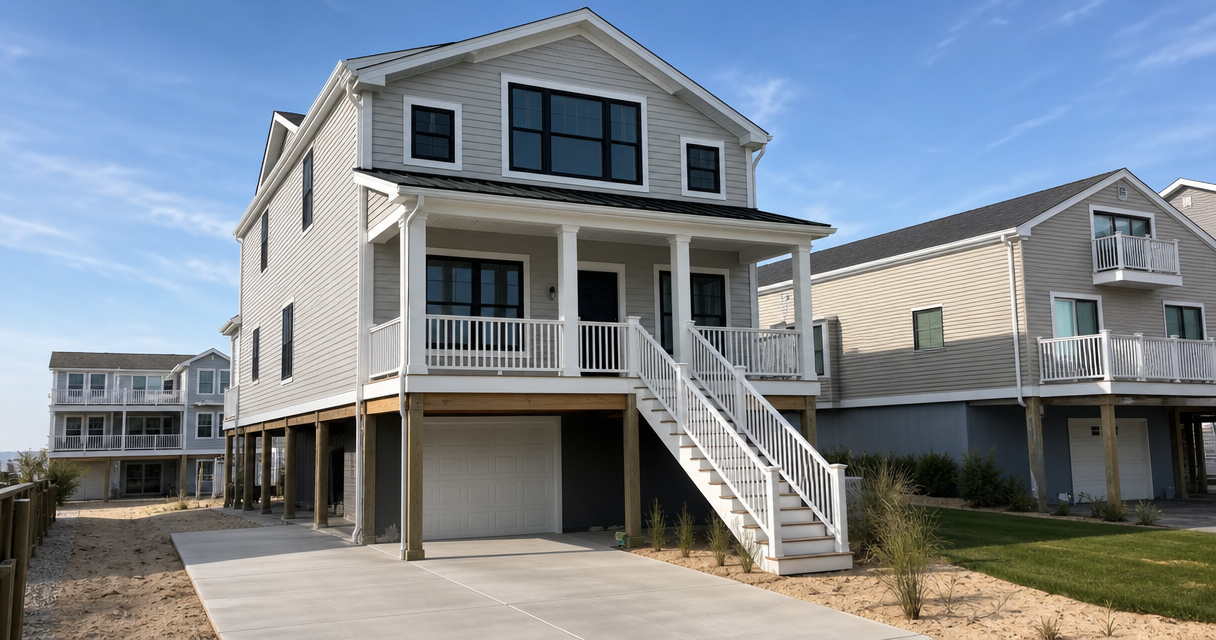
It's a common assumption: a brand-new house, built to current code and signed off by the township at every stage, doesn't need a private home inspection. It's tempting to skip it and save a few hundred dollars on a home that's never been lived in.
After 40+ years as a general contractor based right here in Brigantine, I can tell you exactly how that assumption plays out — and it isn't well. I have never inspected a perfect house, and new construction is no exception. I've seen it on new builds from Ocean City to Long Beach Island and every inland township in between: missing flashing, unsealed penetrations, reversed polarity outlets, and unfinished attic work show up on new builds constantly. Here's what actually happens on a construction site, and why buyers of new homes need an independent inspector just as much as buyers of resale homes — sometimes more.
Why it still matters
Why New Construction Still Needs a Private Inspector
Municipal Inspections Aren't the Same Thing
Township inspectors check that specific stages meet code minimums. They aren't evaluating overall workmanship, and they're moving fast through dozens of homes a week.
Rushed Schedules, Rushed Work
Builders work against tight closing deadlines. When a crew is behind schedule, corners get cut in places no one will see again once the walls close up.
Subcontractor Handoffs Create Gaps
Framers, electricians, plumbers, and HVAC crews each work their piece and move on. Nobody on-site is responsible for checking how all of it fits together — except an independent inspector.
Punch Lists Get Missed Under Pressure
Even a conscientious builder's own punch list is written by people motivated to close the sale. A third-party report has no incentive to look past anything.
You Have Leverage Before You Close
Once you close, the friendly, responsive builder often becomes much harder to reach. Findings documented before closing get fixed. Findings found after rarely do.
Warranty Windows Close Fast
Most builder warranties run one year. Problems that take months to show themselves — settling cracks, HVAC balance issues, moisture — need to be caught while the builder is still on the hook.
Timing is everything
Three Critical Inspection Points
Pre-Drywall Inspection
Performed after framing, electrical rough-in, and plumbing are complete — but before insulation and drywall close everything up. This is the only chance anyone gets to see inside the walls before they're sealed for good.
Final Walkthrough
A full systems test before closing: every outlet, switch, faucet, door, window, and appliance, plus a top-to-bottom check of the exterior, grading, and attic. This is where a punch list gets built for the builder.
11-Month Warranty Inspection
Scheduled just before the builder's one-year warranty expires. Settling, minor cracking, and system issues that only show up after a full seasonal cycle get documented while the builder still has to fix them.
What we inspect
On a New Construction Inspection
A new build inspection covers the same ground as a resale inspection, plus construction-specific items you only get one chance to catch:
- Foundation, slab & grading for proper drainage
- Framing squareness, bracing & structural connections
- Electrical panel labeling, GFCI/AFCI protection & outlet testing
- Plumbing supply lines, drain connections & shutoff valves
- HVAC startup, airflow balance & thermostat operation
- Insulation coverage & air sealing at penetrations
- Window & door flashing, weatherproofing & operation
- Roof, flashing & attic ventilation
- Exterior grading, downspouts & drainage away from the foundation
- Fire safety: smoke & CO detector placement
- Interior finish quality: doors, trim, paint & hardware
- Builder's punch list — ready to hand back before closing
Local coverage
New Construction Inspections Across South Jersey & the Jersey Shore
From beach-block rebuilds in Ocean City and Brigantine to new developments inland, Steve inspects new construction throughout Atlantic, Cape May, Ocean, and Cumberland counties.
Before you close
Four Quick Tips for New-Build Buyers
Schedule pre-drywall before insulation goes in
Call as soon as your builder confirms the framing and rough-in stage is complete — this window closes fast.
Walk the final inspection in person
Your agent represents the sale. Your inspector represents you. Be there for both if you can.
Keep every warranty document
Manuals, appliance warranties, and the builder's own warranty terms all matter later — file them before move-in day gets busy.
Put the 11-month inspection on your calendar now
It's the easiest step to forget, and the one with the hardest deadline. Set the reminder before you unpack the last box.
Still wondering
Common Questions
Do I really need an inspection if the house already passed municipal inspections?
Municipal inspectors confirm code minimums at specific construction stages, moving through many homes on a tight schedule. A private inspection checks thousands of individual items — fit, finish, and function — that a code inspection was never designed to catch.
What is a pre-drywall inspection and is it worth the extra cost?
It's an inspection performed after framing, wiring, and plumbing are roughed in but before insulation and drywall cover them. It's the only opportunity anyone will ever have to see inside the walls before they're permanently closed up — which makes it one of the highest-value inspections you can schedule on new construction.
When should I schedule my 11-month warranty inspection?
Most builders offer a one-year warranty. Scheduling the inspection around month 11 gives you time to document any issues — settling, minor cracks, system performance — and get the builder to address them before that warranty window closes for good.
Ready when you are
Book Your New Construction Inspection
Steve personally performs every inspection — pre-drywall, final walkthrough, or 11-month warranty — and delivers a photo-rich digital report within 24 hours across Atlantic, Cape May, Ocean, and Cumberland counties. Licensed, insured, and backed by 40+ years as a South Jersey contractor.
Keep reading