
What's under the lawn?
Buried Oil Tanks in South Jersey: Why a Tank Sweep Belongs on Your Home-Buying Checklist
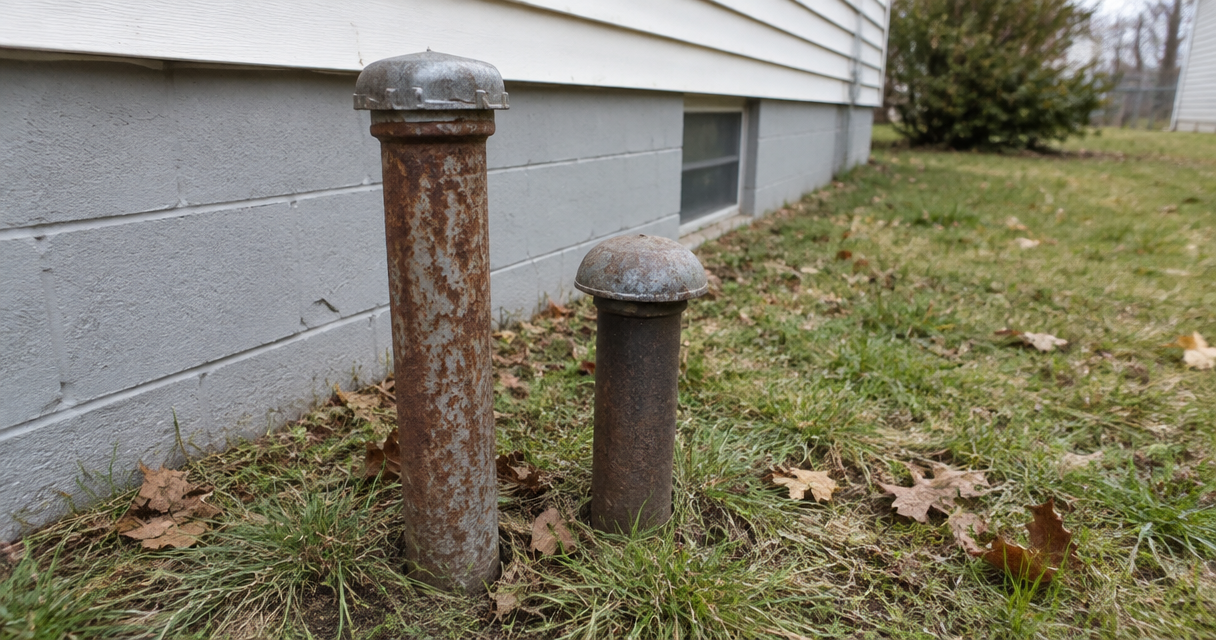
The house heats with gas now. That doesn't mean the oil tank is gone.
For decades, heating oil was the standard across much of South Jersey. When owners converted to natural gas, the old tank in the yard often stayed right where it was. Sometimes it was properly closed with a permit. Sometimes it was just disconnected and forgotten. Either way, buyers almost never see it, because it's under the grass, a flower bed, or the driveway.
After 40+ years as a general contractor based in Brigantine, I still find signs of old oil heat all the time: in established neighborhoods of Cherry Hill and Voorhees, in post-war homes in Northfield, and in older properties in Vineland, Millville, and Bridgeton. A buried tank isn't a reason to walk away from a house. An unknown one is a reason to slow down. Here's what buyers should know.
Why it matters
Six Reasons Buyers Can't Ignore an Old Oil Tank
Steel Tanks Corrode Underground
Most residential tanks buried decades ago are bare steel. They rust from the outside in, and wet, sandy soil and high water tables, which describes a lot of South Jersey, don't help. A tank can leak slowly for years because nobody is looking at it.
Cleanup Costs Fall on the Owner
In New Jersey, a residential heating oil tank is the property owner's responsibility. If one has leaked, the owner reports it to the NJDEP and pays certified professionals to investigate and clean it up. Removing a clean tank is a manageable project. Remediating a leak, especially one that has reached groundwater, is a very different bill.
Insurers and Lenders Ask Questions
Some homeowners insurance carriers ask about underground oil tanks and may limit coverage or decline to write a policy until the tank is dealt with. Some lenders want it resolved before closing, too. Finding out late can squeeze your timeline.
"Abandoned" Isn't the Same as Properly Closed
A tank that was legally removed or closed in place should come with a municipal permit and closure paperwork. A tank that was just disconnected when the house switched to gas has neither, and it's still sitting there with whatever oil was left inside.
Leaks Don't Always Show at the Surface
There may be no smell, no dead patch of lawn, and no stain anywhere you can see. Contamination can sit well below the surface. A healthy-looking yard tells you nothing about the tank under it.
It Follows the Property, Not the Seller
Once you close, the tank is yours, along with anything it has already leaked. Finding it before closing gives you options: removal and testing before settlement, a credit, an escrow, or walking away within your contingency.
Reading the clues
Signs a Tank Is (or Was) in the Ground
Pipes Where There Shouldn't Be Any
A fill pipe or vent pipe sticking up beside the foundation, or a cut-off pipe stub at grade or hidden in a planting bed, is the most common clue that a tank is, or was, in the ground.
Lines Through the Foundation Wall
Copper oil supply and return lines, or capped and patched holes in the basement or crawlspace wall, show where an oil burner was once fed from outside.
Signs of an Oil-to-Gas Conversion
An abandoned burner pad, an old oil filter left on a line, or a flue setup that doesn't match the current furnace all point to a house that heated with oil before gas came down the street.
The next step
What a Tank Sweep Actually Is
A tank sweep is a scan of the property by a specialty environmental contractor. Using metal-detection equipment, and sometimes ground-penetrating radar, they walk the yard looking for a large buried metal object in the places tanks usually went: near the foundation, alongside the driveway, and close to where the old fill pipe would have been. On a typical lot it's a short visit, and it can be scheduled during the same window as your home inspection.
If the sweep finds a tank, the usual next step is soil testing around it, followed by removal or closure by a contractor certified for that work, under a permit from the town. If the seller says a tank was already removed, ask for the closed-out permit and any soil sample results. That paperwork is what turns "we think it's handled" into something you can rely on.
What we inspect
Oil-Tank Clues We Look For
A home inspection is visual and non-invasive, so I don't dig or scan the yard. I look for the evidence a tank leaves behind, and when I find it, the report tells you plainly to get a sweep before your contingency runs out.
- Fill and vent pipes at exterior walls and in the yard
- Cut-off pipe stubs at grade or in planting beds
- Copper oil supply and return lines through the foundation
- Capped or patched penetrations in basement and crawlspace walls
- Abandoned oil burners, filters, or tank pads
- Aboveground oil tanks in basements, garages, or beside the house
- Aboveground tank condition: rust, weeping seams, legs, and fill line
- Heating system age, fuel type, and evidence of a past conversion
- Chimney and flue configuration that suggests earlier oil heat
- Oil staining or odor in the basement, crawlspace, or around the slab
- Filled, sunken, or patched ground near the foundation
- Seller disclosure answers about past or present fuel tanks
Local coverage
Buyer Home Inspections Across South Jersey & the Jersey Shore
Oil-to-gas conversions in older inland neighborhoods, shore homes built before gas service arrived, and farmhouses out on well and septic: Steve inspects homes throughout Atlantic, Cape May, Ocean, and Cumberland counties and knows where the old tanks tend to turn up.
Before you sign
Four Quick Tips for Buyers
Ask the seller directly
Did the house ever heat with oil? Was a tank removed, and by whom? New Jersey's seller disclosure form asks about storage tanks, so read that answer closely and follow up on anything vague.
Get the paperwork for a removed tank
A tank that was legally removed or closed in place should have a closed-out municipal permit, and ideally soil sample results. If nobody can produce them, treat the tank as an unknown.
Book the sweep inside your contingency
Schedule the tank sweep alongside your home inspection, not after it. If a tank turns up, you'll want time left for soil testing and negotiation.
Don't stop at "it was abandoned"
Abandoned can mean properly filled and permitted, or it can mean disconnected and forgotten. Those are two very different situations for a buyer.
Still wondering
Common Questions
Do I need a tank sweep when buying a house in New Jersey?
It isn't legally required for most sales, but it's one of the best-value checks a South Jersey buyer can order. I recommend it for any older home, any home that has or ever had oil heat, and any home where the inspection turns up oil-tank clues like fill pipes or lines through the foundation. It costs far less than inheriting a leaking tank.
Does a home inspection find buried oil tanks?
A standard home inspection is visual and non-invasive, so I can't see underground. What I can do is find the evidence a tank leaves behind: fill and vent pipes, lines through the foundation, an abandoned burner, or signs of a past conversion. When I find it, the report says so plainly and recommends a tank sweep by a specialist who scans the yard with metal-detection equipment.
What happens if a buried oil tank has leaked in New Jersey?
The owner is responsible for reporting the discharge to the NJDEP hotline (1-877-WARNDEP) and hiring a certified subsurface evaluator or a Licensed Site Remediation Professional to investigate and clean it up. When the work is done, the DEP issues a No Further Action letter. State financial assistance exists, but residential applications have faced long backlogs, so don't count on it. If you find a leak before closing, talk with your attorney and agent about having the seller remediate first, setting up an escrow, or using your contingency.
Ready when you are
Know What's Under the Lawn Before You Sign
Steve personally performs every inspection and delivers a photo-rich digital report within 24 hours across Atlantic, Cape May, Ocean, and Cumberland counties. Licensed, insured, and backed by 40+ years as a South Jersey contractor.
Buying an older home? Schedule your inspection early, so if there are signs of an oil tank, there's still time for a sweep before your contingency ends.
Keep reading